Fitness is an integral part of maintaining overall health, and achieving a balanced lifestyle often requires a multifaceted approach. People’s fitness journeys are unique, and what works for one individual may not be as effective for another. However, there are some core exercise types that are universally beneficial. Whether you’re a seasoned athlete or just starting your fitness journey, combining different types of exercises can lead to enhanced strength, endurance, flexibility, and mental well-being.
In this article, we will explore a range of exercises that are fundamental for building a well-rounded fitness routine. These exercises can be categorized into four key groups: cardiovascular, strength training, flexibility, and balance exercises. Each category plays a vital role in improving overall health and should be included in any fitness plan.
Cardiovascular Exercises: Elevating Heart Health and Stamina
Cardiovascular exercises, or aerobic exercises, are essential for improving heart health, endurance, and overall energy levels. These exercises are designed to elevate the heart rate, enhance circulation, and boost stamina. They are crucial for burning calories, improving lung capacity, and reducing stress.
Running and Jogging
Running and jogging are the most accessible and popular forms of cardiovascular exercises. They can be done almost anywhere, from parks and beaches to city streets or even on a treadmill. Running helps to increase heart rate and stamina, while also engaging the leg muscles. Jogging, being a lower-impact alternative, is easier on the joints and allows individuals to build endurance over longer periods. These exercises not only boost cardiovascular health but also improve mental clarity and overall mood.
Cycling
Cycling, whether on a stationary bike or outdoors, is another great cardiovascular exercise. It provides a low-impact way to increase heart rate and endurance while strengthening the lower body. Outdoor cycling also offers the added benefit of fresh air and scenic routes, making it a more enjoyable form of cardio. Cycling can be easily adjusted to suit any fitness level, from leisurely rides to intense cycling workouts.
Swimming
Swimming is one of the most effective full-body workouts. It enhances cardiovascular fitness while also engaging muscles across the entire body, from the arms and legs to the core. Because swimming is performed in water, it offers a low-impact option that is gentle on the joints. This makes it an ideal choice for those looking for a highly effective cardio workout with minimal strain. Additionally, swimming can be a calming, meditative activity that promotes mental relaxation.
Jumping Rope
Jumping rope is a fun yet challenging cardio workout that helps improve coordination, balance, and endurance. It’s a fantastic calorie-burner that engages the entire body, including the legs, arms, and core. You can adjust the intensity by changing the pace or performing advanced variations like double unders or high knees. Whether used as a warm-up or a full workout, jumping rope is a quick and effective way to get your heart pumping.
Dancing
Dance-based cardio workouts, such as Zumba, hip-hop, or aerobic dance, offer a fun and energetic way to engage in cardiovascular exercise. These workouts combine music with movement, which helps keep motivation high. Not only do they provide excellent cardiovascular benefits, but they also improve coordination, balance, and flexibility. Dancing is often more enjoyable for those who want to incorporate exercise into a social activity or simply prefer rhythm-based movement.
Strength Training: Sculpting Muscle and Boosting Metabolism
Strength training exercises are key for building muscle, increasing metabolism, and improving bone density. Whether performed with weights, resistance bands, or body weight, strength exercises can help improve overall body composition and enhance functional strength.
Weightlifting
Weightlifting is one of the most effective ways to build muscle and strength. It involves lifting free weights or using machines to target specific muscle groups. This type of resistance training helps build lean muscle mass, which increases metabolism and improves overall strength. Beginners can start with lighter weights to focus on form and gradually increase the weight as their strength improves. Weightlifting is an essential part of any fitness plan, especially for those looking to increase muscle mass and overall power.
Bodyweight Exercises
Bodyweight exercises rely on the weight of your own body to provide resistance. These exercises can be done anywhere, making them an excellent option for those who do not have access to a gym. Push-ups, squats, lunges, and planks are all common bodyweight exercises that target multiple muscle groups. These exercises are effective for improving strength, endurance, and balance, and they can be modified to suit your fitness level.
Resistance Band Workouts
Resistance bands are an affordable and portable tool that can be used to perform strength training exercises. These elastic bands provide variable resistance during exercises, which helps to target muscles in different ways compared to traditional weights. Resistance bands are especially useful for improving muscle endurance and stability. Exercises such as bicep curls, leg presses, and shoulder raises can be performed using resistance bands. This form of resistance training is accessible to people of all fitness levels.
Calisthenics
Calisthenics is a form of strength training that uses bodyweight exercises to develop strength, flexibility, and endurance. Common calisthenic movements include pull-ups, push-ups, dips, and squats. These exercises are highly effective for building functional strength and improving coordination. Because calisthenics exercises are scalable, they can be adapted for beginners to advanced practitioners, making them an excellent addition to any workout routine.
Flexibility Exercises: Improving Range of Motion and Recovery
Flexibility exercises are crucial for maintaining joint mobility, improving posture, and preventing injuries. Stretching exercises can also aid in recovery after more intense workouts by relaxing muscles and reducing tightness.
Yoga
Yoga is a widely practiced form of flexibility training that also integrates mindfulness and breathing exercises. By performing a series of poses, yoga improves flexibility, strength, balance, and mental clarity. Regular practice helps to reduce stress, improve posture, and promote relaxation. There are different styles of yoga, from slow-paced, meditative practices like Yin Yoga to more physically demanding forms such as Vinyasa or Ashtanga yoga. Yoga is suitable for individuals of all fitness levels and can be easily modified to meet your specific needs.
Pilates
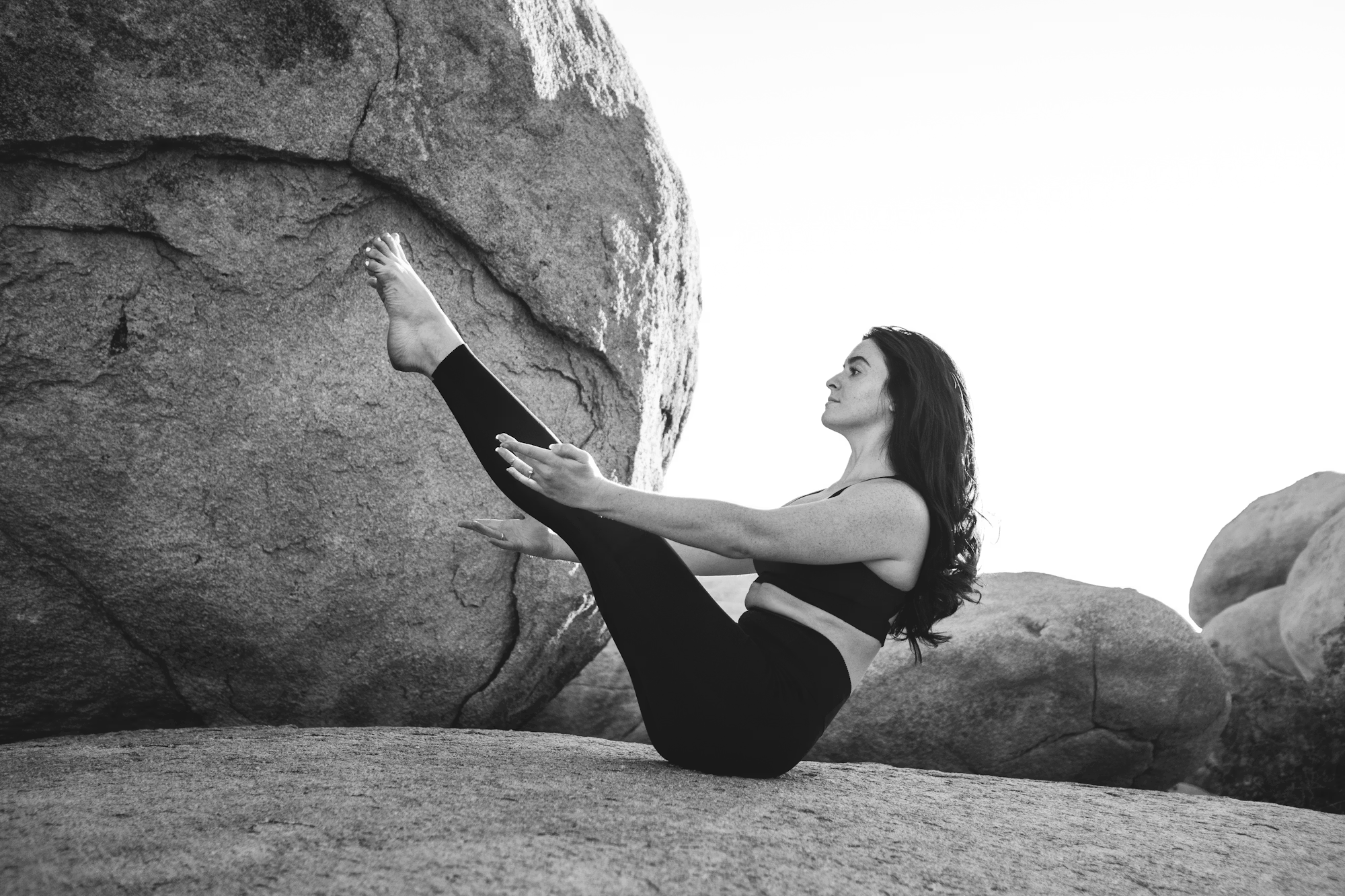
Pilates is a low-impact exercise system that focuses on core strength, flexibility, and postural alignment. The controlled movements in Pilates help improve flexibility while strengthening the deep muscles of the abdomen, back, and pelvis. Pilates exercises are often performed using a mat or specialized equipment, such as the reformer. This method is particularly effective for improving balance and body control while enhancing overall flexibility.
Static Stretching
Static stretching is a simple yet effective way to improve flexibility. It involves holding a stretch for a set period of time (usually 15-30 seconds) to lengthen the muscles and increase the range of motion in the joints. Static stretching is typically performed after a workout when muscles are warm and more pliable. Incorporating static stretching into your routine can help reduce muscle stiffness, improve posture, and increase overall flexibility.
Balance and Stability Exercises: Enhancing Coordination and Posture
Balance exercises are often overlooked in fitness routines, yet they are incredibly important for improving coordination, posture, and overall functional movement. These exercises are particularly valuable for older adults and those recovering from injuries.
Balance Exercises
Balance exercises are designed to improve stability by training the body to maintain proper alignment and control in various positions. Simple exercises like standing on one leg, using a balance board, or performing stability ball exercises can help improve coordination and prevent falls. Balance training can be added to any fitness routine to enhance overall body control and posture.
Core Strengthening Exercises
Core exercises are fundamental for building strength and stability throughout the torso. Exercises like planks, Russian twists, and leg raises target the muscles in the abdomen, lower back, and pelvis, which are crucial for maintaining balance and posture. A strong core is essential for performing everyday activities and for preventing injury during physical activity.
Conclusion: A Holistic Approach to Fitness
Achieving a balanced and healthy lifestyle requires integrating a variety of exercise types into your routine. Cardiovascular exercises will improve heart health and endurance, while strength training will increase muscle mass and metabolism. Flexibility exercises will improve joint mobility and recovery, and balance exercises will enhance coordination and stability. The key to success is consistency, variety, and finding exercises that you enjoy and that suit your fitness goals. By incorporating a mix of these exercises into your fitness plan, you’ll be well on your way to achieving a healthier, stronger, and more flexible body.
Remember that fitness is a journey, not a destination. Be patient with yourself, stay committed, and enjoy the process of becoming the best version of yourself.